Fins
Change your fins, change your surf.Fins for softboards and fiberglass boards to adjust speed, turn, and stability.
Catálogo de Fins
-
Trio of VPS Anchor Keels
Regular price 17,90 €Regular priceUnit price / perSale price 17,90 € -
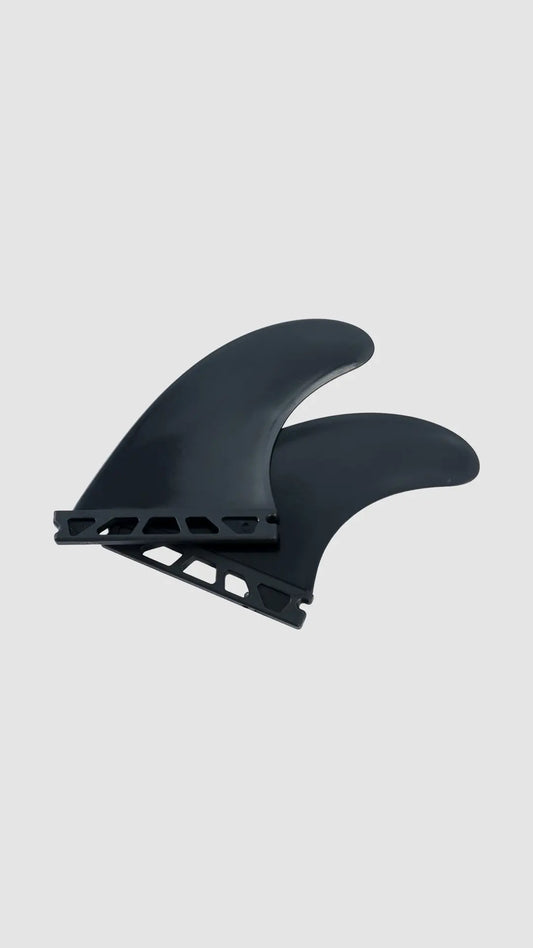
Surf Fins Deflow V.2 Black V.2 - Black
Regular price 69,95 €Regular priceUnit price / per69,95 €Sale price 69,95 € -
FCS I Anchor Fin Trio
Regular price 24,08 €Regular priceUnit price / perSale price 24,08 € -
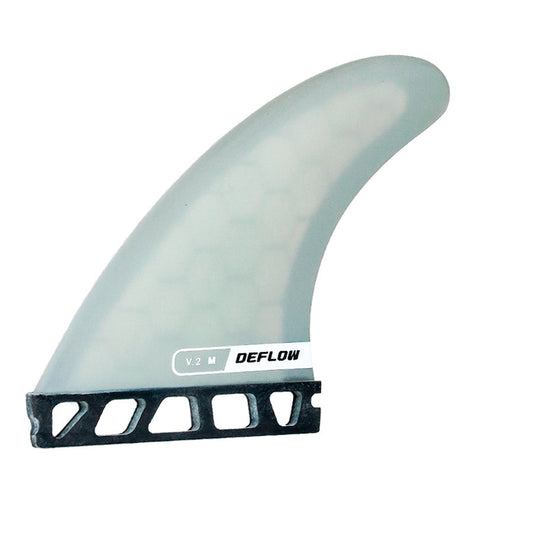
Deflow V.2 Granite Surf Fins V.2 - Granite
Regular price 69,95 €Regular priceUnit price / per69,95 €Sale price 69,95 € -
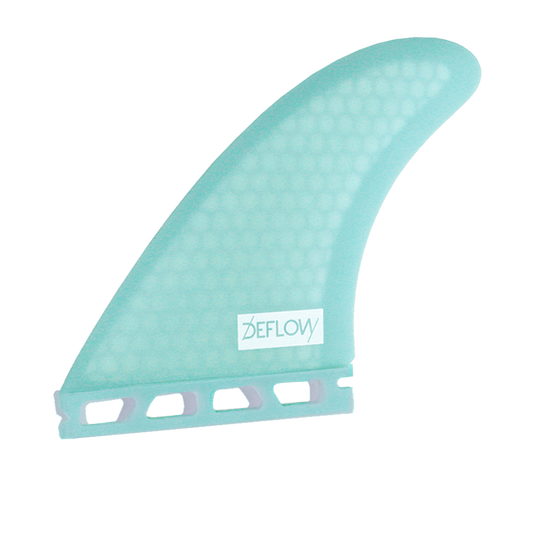
Future Fins
Regular price 24,08 €Regular priceUnit price / perSale price 24,08 € -
Deflow V.2 Olive Green Surf Fins V.2 - Aceite de Aguacate
Regular price 69,95 €Regular priceUnit price / per69,95 €Sale price 69,95 € -
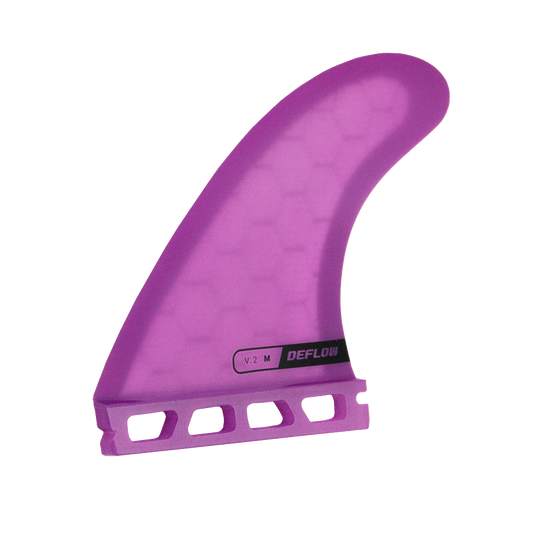
Deflow V.2 Violet Surfboard Fins V.2 - Violet
Regular price 69,95 €Regular priceUnit price / per69,95 €Sale price 69,95 € -
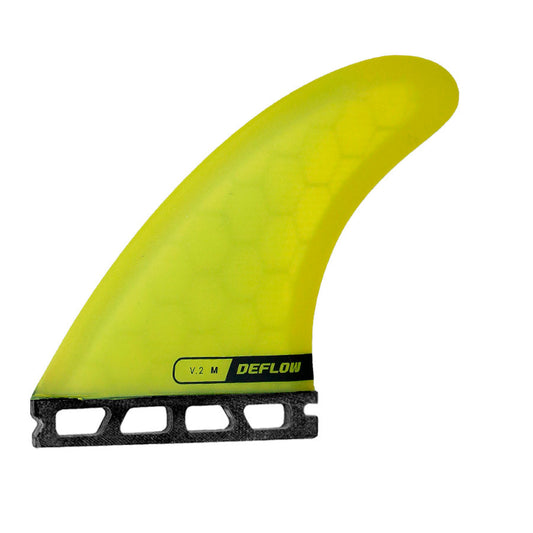
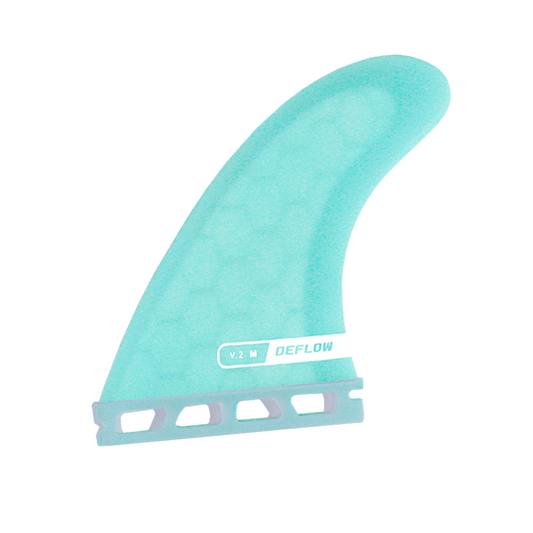
Surf Fins Deflow V.2 Blue V.2 - Mint
Regular price 69,95 €Regular priceUnit price / per69,95 €Sale price 69,95 € -
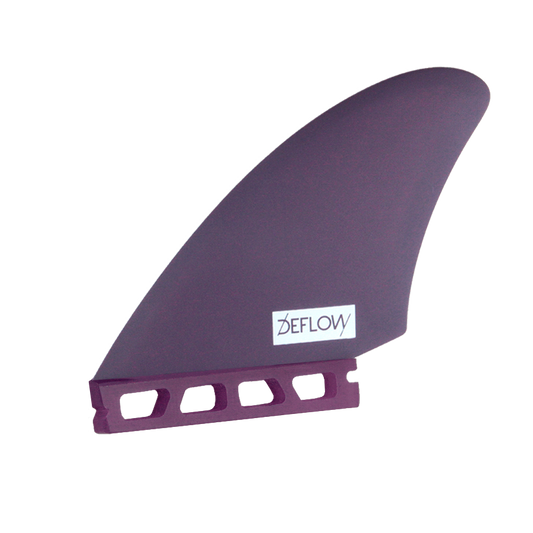
Deflow Twin Fin Keels Mid Twin Fin Set
Regular price 75,00 €Regular priceUnit price / perSale price 75,00 € -
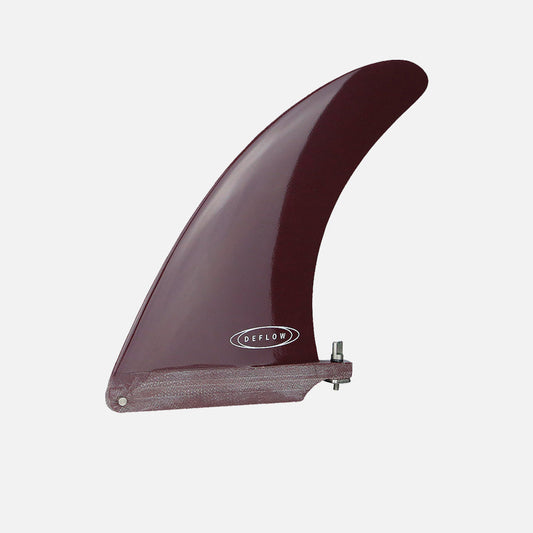
Green single fin keel Stylist 7.3" - Deflow
Regular price 84,00 €Regular priceUnit price / per84,00 €Sale price 84,00 € -
Sold outCherry single fin Stylist 7.3" - Deflow
Regular price 84,00 €Regular priceUnit price / perSale price 84,00 €Sold out -
Grey Longboard Fin Cream Gray Single Fin
Regular price From 80,00 €Regular priceUnit price / per80,00 €Sale price From 80,00 € -
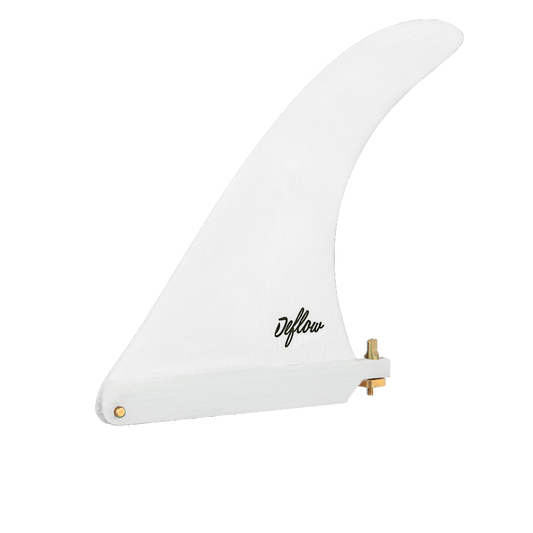
White Longboard Fin Blanco crema de una sola aleta
Regular price From 80,00 €Regular priceUnit price / perSale price From 80,00 € -
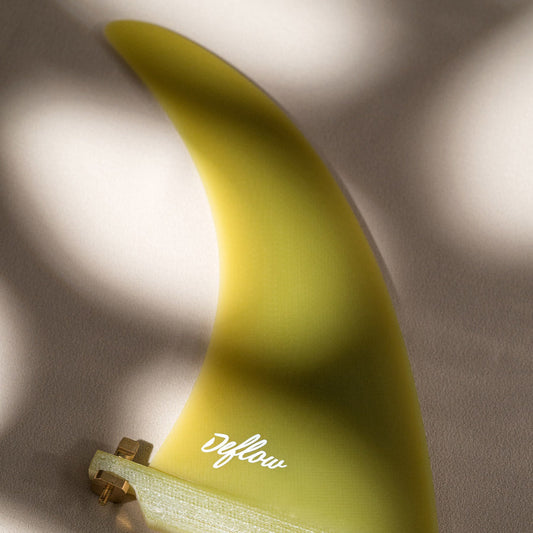
Longboard Fin Midhull 8.5" Midhull 8.5" - Ochre
Regular price 92,00 €Regular priceUnit price / per92,00 €Sale price 92,00 €
Surf Fins: Change Your Fins, Change How You Surf
Fins are the most underrated and most transformative component of a surfboard. With the same board, a different set of fins can make you turn faster, provide more stability on the take-off, or make the board respond completely differently. If you've been surfing for a while and feel like your board isn't responding, try changing the fins before replacing the board.
FCS Surfboard Fins
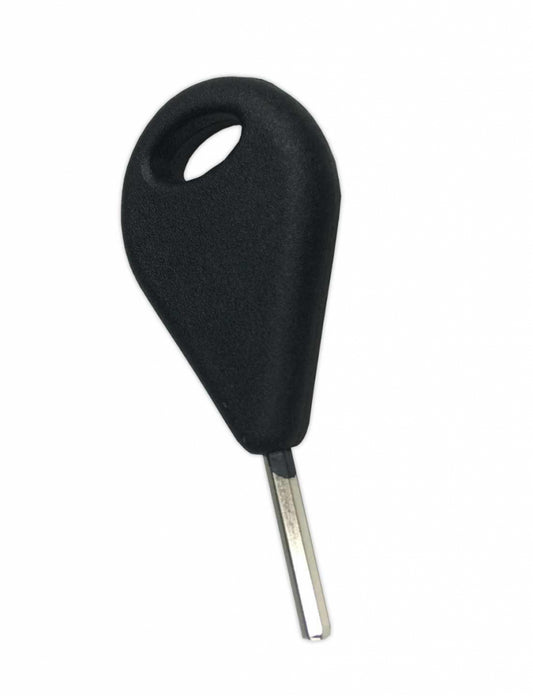
The most widespread system in the surfing world. FCS fins are mounted in boxes with two side screws, the classic system, or in the FCS II system, which is screwless and allows for changes in seconds. If you have a fiberglass board manufactured in the last 10 years, it most likely uses the FCS or FCS II system. Compatible with most intermediate-to-high-end evolutionary and shortboards.
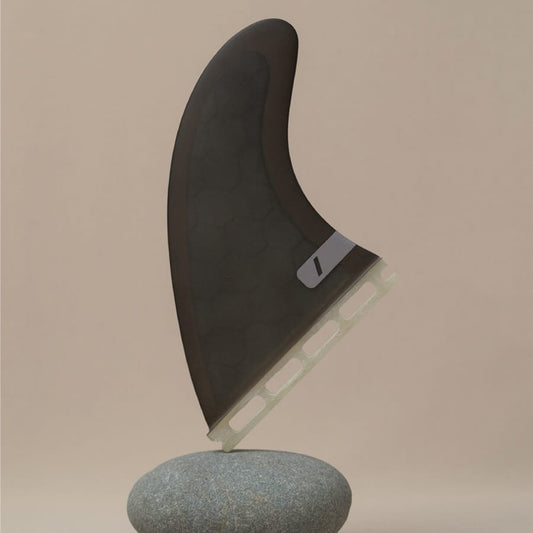
Future Surf Fins
The Future system has a single elongated fin box per fin, which provides greater rigidity and power transmission during maneuvers. Very popular on high-end boards and among surfers seeking maximum response. It is not compatible with FCS without an adapter. If your board uses Futures, you needFuture fins; there is no interchangeability.
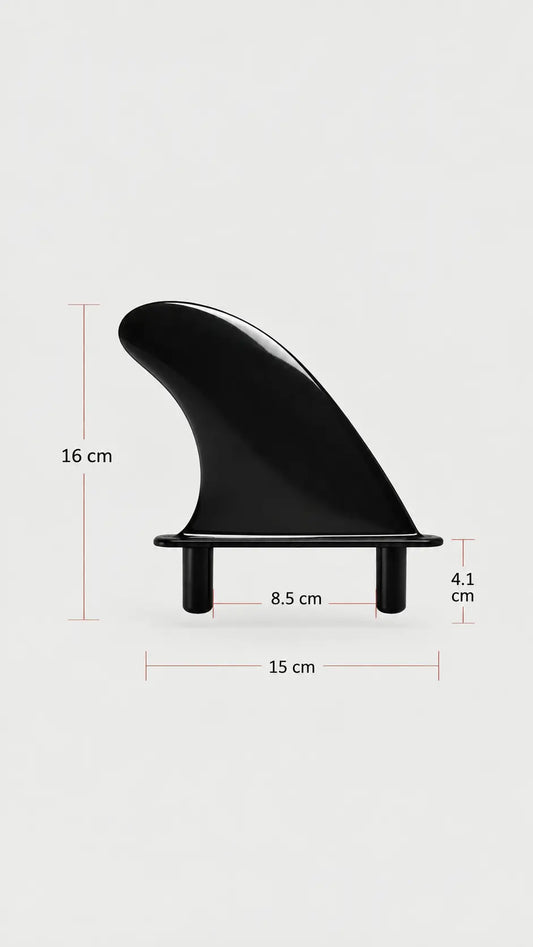
VPS Fins for Softboards - The Beginner's System
The VPS systemis the standard for most softboards. The fins are secured with a plastic box and a central screw, requiring no special tools. They are designed to be flexible and safe: if the board hits you, the fin flexes instead of causing injury. If you have a Flysurf softboard, your fins are likely VPS (check before buying). This is the system we recommend for learning; it is functional, safe, and easy to assemble.
How to Choose Your Fins Based on Your Skill Level?
- Beginner→ Soft or composite fins, thruster configuration (3 fins). They provide stability and are more forgiving of positioning errors.
- Intermediate→ Fiberglass or honeycomb fins. Stiffer, more responsive in turns. You'll start to notice the difference between brands and shapes.
- Advanced→ Carbon or high-modulus fins. Maximum transmission, for surfers who already know exactly what they're looking for in the water.
Frequently Asked Questions About Surf Fins
What fin system does my board have?
It depends on the board. Softboards usually have a VPS system (box with a central screw). Fiberglass boards have FCS, FCS II, or Futures. Look at the boxes on the bottom of the board: if they have two small side holes per fin, it's classic FCS; if they have a long slot, it's FCS II or Futures. If you have doubts, message us on WhatsApp with a photo, and we'll tell you in a minute.
What is the difference between thruster, twin, and quad fins?
The thruster (3 fins) is the most common configuration: a balance between speed, control, and maneuverability. The twin (2 fins) provides more speed and a feeling of freedom but less control in large waves. The quad (4 fins) generates a lot of speed in hollow waves and is ideal for low-power conditions. For learning, always start with a thruster.
When is it worth changing the fins on your board?
If your board has stock fins and you've been surfing for more than a year, it's probably worth trying a set of higher quality fins. The jump from basic plastic fins to composite or fiberglass fins is one of the most noticeable changes you can make without buying a new board.
Which fins are best for a beginner surfer?
For beginners: soft, flexible fins in a thruster configuration. If you have a softboard, the stock VPS fins are good to start with. If you have a fiberglass evolutionary board with FCS, a set of composite fins like the FCS II Performer or similar is a good first upgrade without spending too much.
Frequently asked questions
¿Qué sistema de quillas tiene mi tabla?
Las softboards suelen llevar sistema VPS. Las tablas de fibra llevan FCS, FCS II o Futures. Mira las cajas en la parte inferior: dos agujeros laterales por quilla es FCS clásico; ranura larga es FCS II o Futures.
¿Qué diferencia hay entre quillas thruster, twin y quad?
El thruster (3 quillas) equilibra velocidad, control y maniobra. El twin (2 quillas) da más velocidad y libertad pero menos control. El quad (4 quillas) genera velocidad en olas huecas. Para aprender, empieza siempre con thruster.
¿Cuándo merece la pena cambiar las quillas de la tabla?
Si llevas más de un año surfeando con las quillas de serie, el salto a quillas de composite o fibra es uno de los cambios más notorios que puedes hacer sin comprar una tabla nueva.
¿Qué quillas son mejores para un surfista principiante?
Quillas blandas y flexibles en configuración thruster. Si tienes softboard, las VPS de serie están bien para empezar. Con evolutiva de fibra FCS, un set de composite como FCS II Performer es una buena primera actualización.