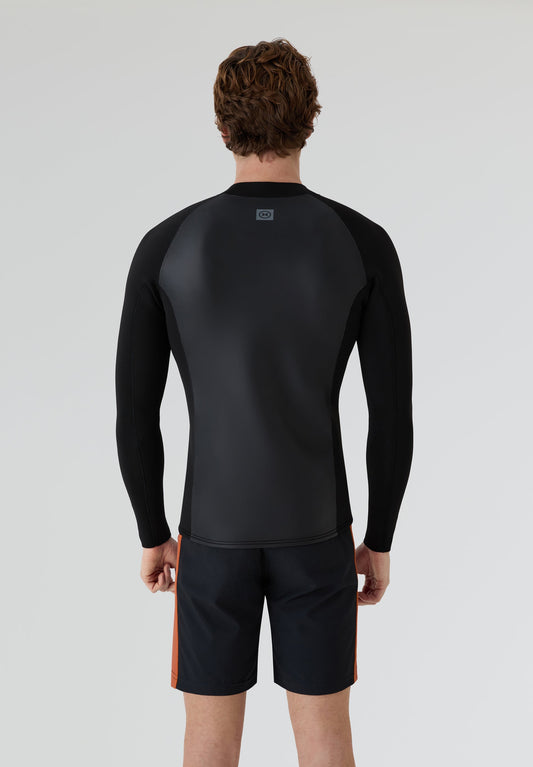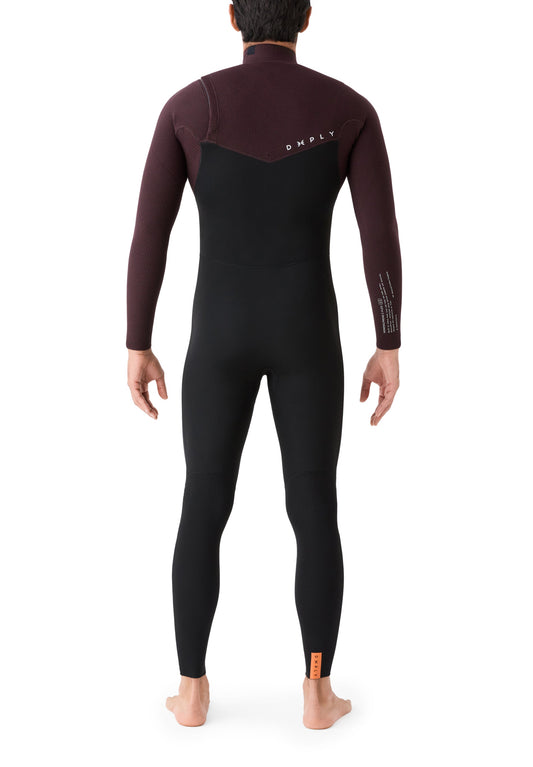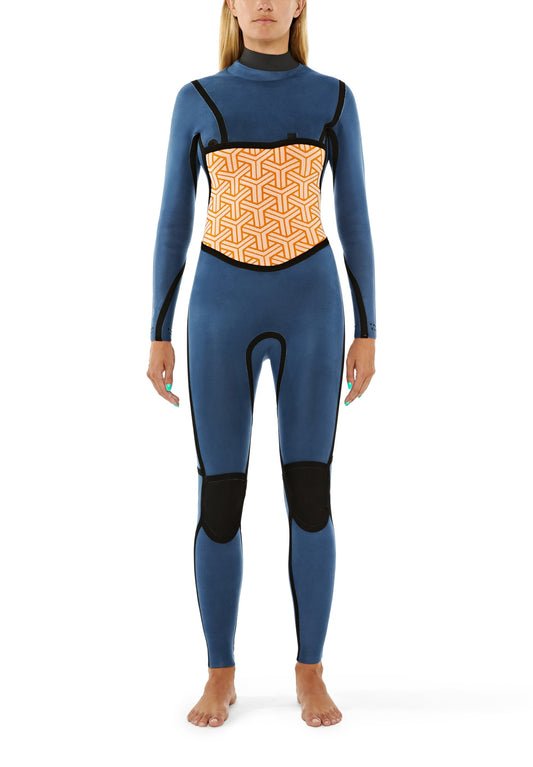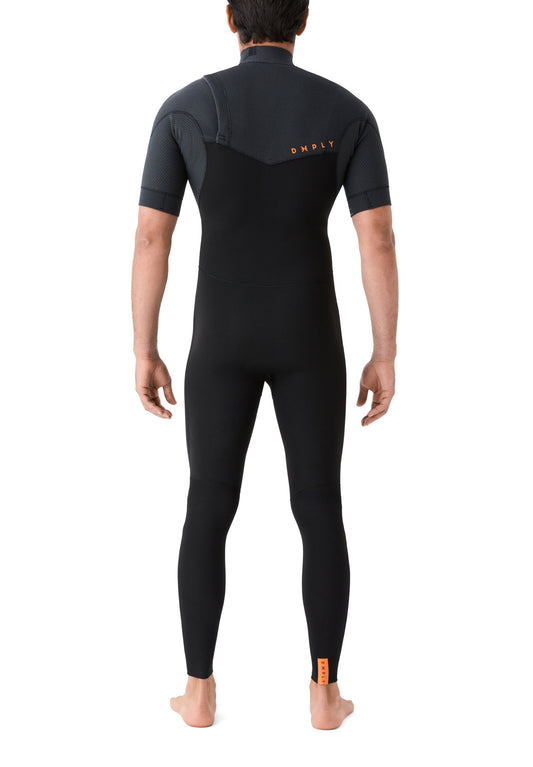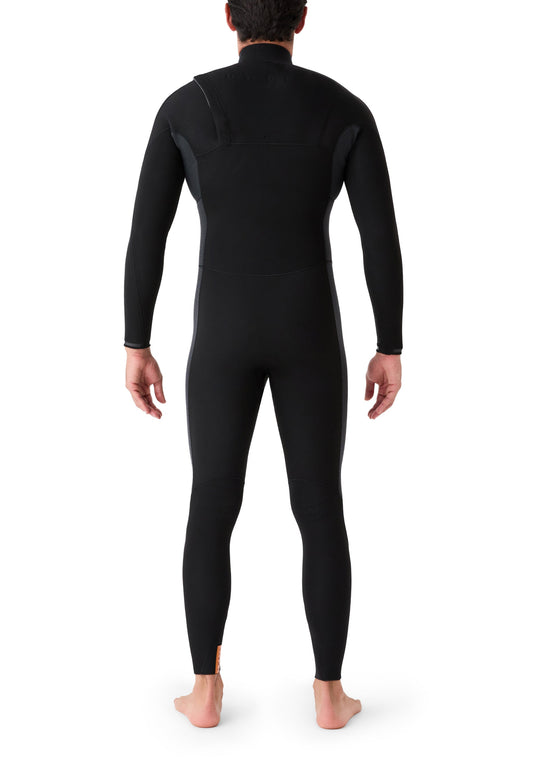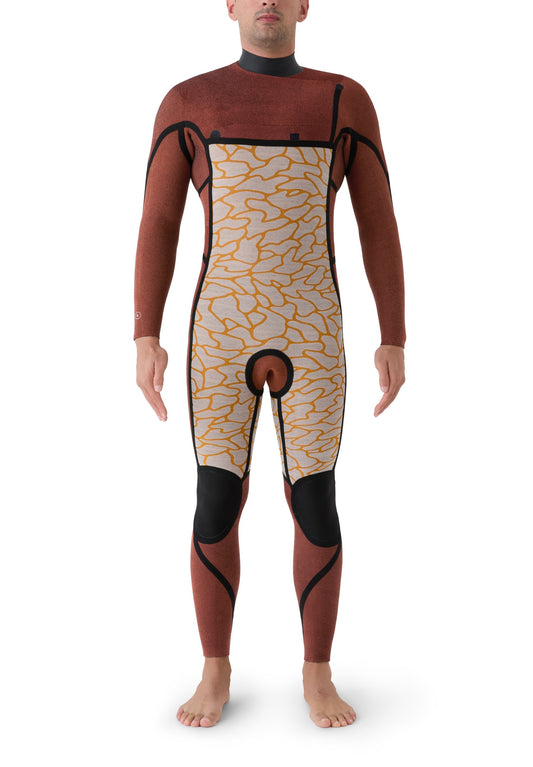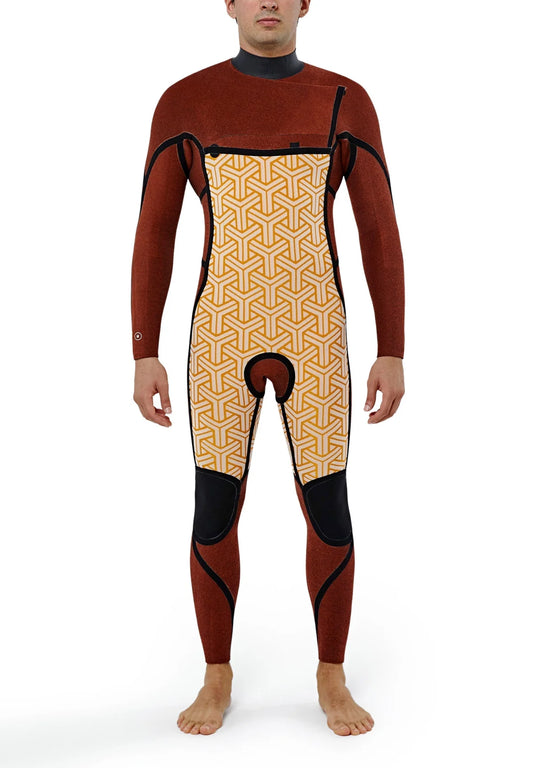
Surf Wetsuits

Extend your surf season.Wetsuits for men and women to surf comfortably all year round.

Catálogo de Surf Wetsuits

Great Selection of Surf Wetsuits: Find your ideal suit

Find the perfect balance between warmth, flexibility, and durability with our range of wetsuits. We have a technical selection designed to adapt to any condition, from the intense cold of winter to the warmer sessions of summer. We work with state-of-the-art materials like sustainable Mineralprene and graphene linings to ensure you spend more time in the water with maximum comfort.

Wetsuits for Men and Women with Advanced Technology

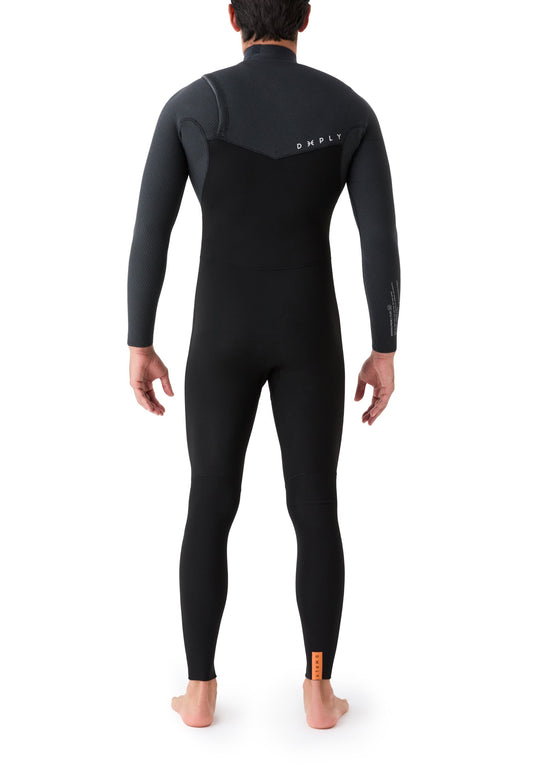
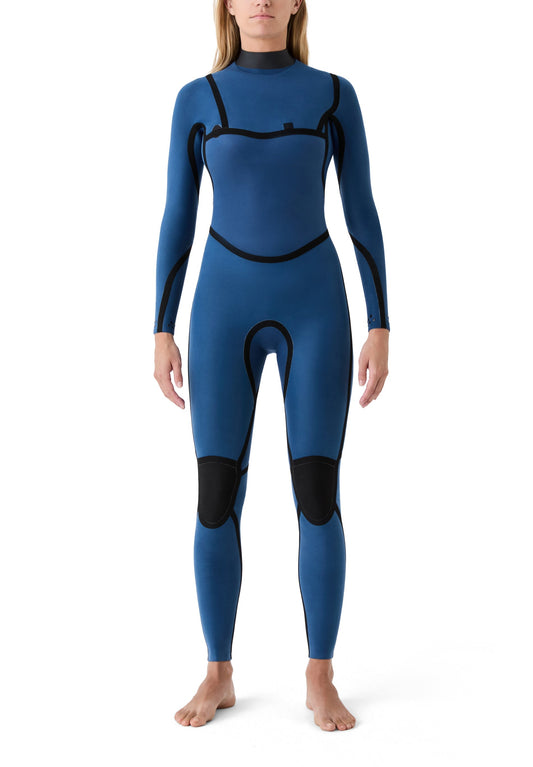
Explore our different lines according to your needs: zipless models for total freedom of movement, Chest Zip for superior sealing, or Front Zip and Back Zip for easier entry. We have 4/3mm and 5/3mm thicknesses for cold water, as well as 3/2mm and 2/2mm for temperate climates. Whatever your level, here you have the necessary equipment to elevate your performance on every wave.

Deeply Surf Wetsuits: the suit you need to surf in Spain

In most Spanish coastal areas, the water temperature forces you to use a wetsuit between 8 and 10 months a year. In the Cantabrian Sea and Galicia, the water does not rise above 18°C even in August, and in winter, it drops to 12°C or less. In the Mediterranean, there is more leeway, but a wetsuit is still necessary from October to May. Choosing the right thickness is not optional if you want to surf comfortably and progress without getting cold.

Thickness chart: what wetsuit you need according to water temperature

  • 5/4mm or 5/3mm→ cold water, less than 14°C. Winter in Galicia, Asturias, Basque Country, northern Portugal. With integrated or separate hood
  • 4/3mm→ water between 14-17°C. Spring and autumn on the Spanish Atlantic coast
  • 3/2mm→ water between 17-20°C. Summer in the north, spring-autumn in the Mediterranean and Canary Islands
  • 2mm or shorty→ water above 20°C. Summer in the Mediterranean, Canary Islands all year round

Mineralprene and graphene technology: the Deeply difference

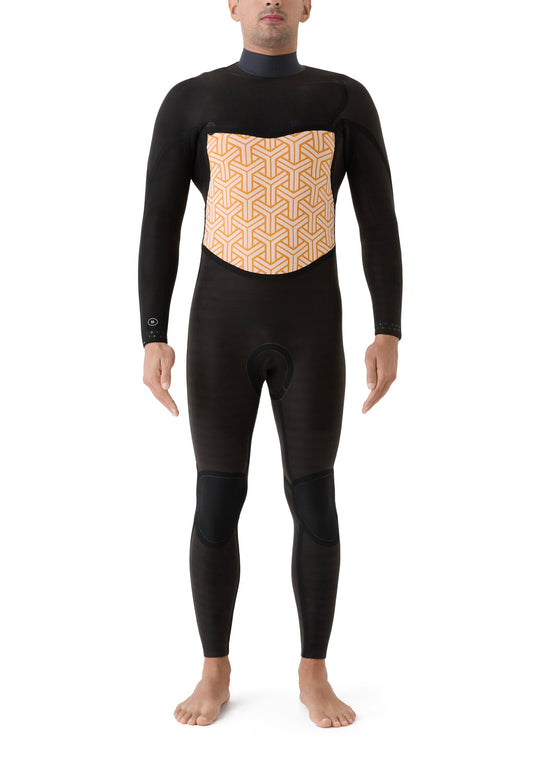
Deeply wetsuits are not standard neoprene. Mineralpreneis Deeply's own material: a blend of limestone instead of conventional petrochemical neoprene. It is more flexible, more durable, and has a lower environmental impact. Some models also incorporate graphenein the inner fabric, a material that improves body heat retention and speeds up drying. It is the same technology used by high-end brands at a more competitive price.

Chest zip vs back zip: which to choose

The closure system changes the user experience:

  • Back zip(zipper on the back) → easier to put on and take off, slightly more water entry through the zipper. The most common option for beginners and general use
  • Chest zip(zipper on the chest) → minimal water entry, better thermal insulation, tighter to the body. The preferred system for more advanced surfers and in very cold waters. Slightly harder to put on at first until you get used to it

For learning or occasional use, the back zip is sufficient. If you surf in winter with cold water or already have experience, the chest zip makes a real difference in comfort.

Wetsuits for men

Deeply men's models are designed with specific cut patterns for the male anatomy: wider shoulders, longer torso, and greater freedom of movement in the arms for paddling. Available from 3/2mm to 5/4mm. Consult the size chart before ordering — a poorly sized wetsuit is uncomfortable and allows more water in than it should.

Deeply men's wetsuit size guide:

  • XXS→ 162-166cm / 54-61kg
  • XS→ 165-170cm / 57-64kg
  • S→ 170-175cm / 61-70kg
  • MS→ 172-178cm / 64-73kg
  • M→ 175-180cm / 68-77kg
  • MT→ 178-183cm / 73-82kg
  • L→ 181-186cm / 77-86kg
  • LT→ 184-189cm / 78-84kg
  • XL→ 185-191cm / 86-95kg
  • XXL→ 189-194cm / 95-104kg

If you are between two sizes, choose the larger for greater comfort in paddling.

Wetsuits for women

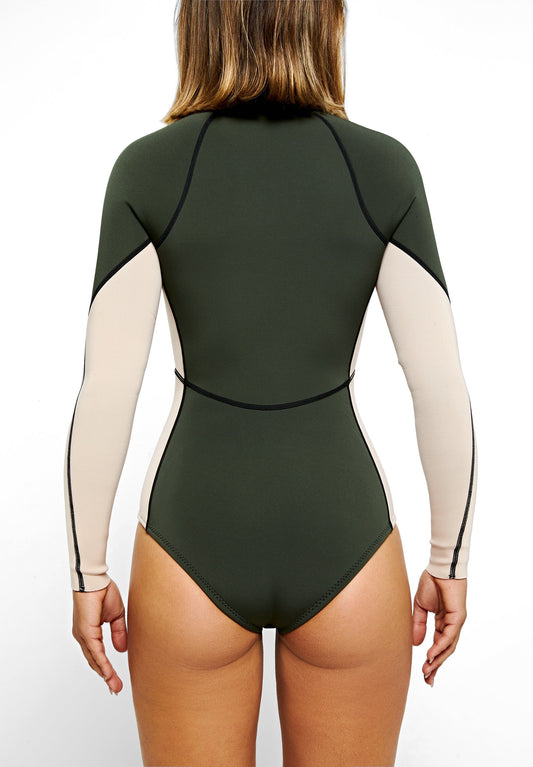
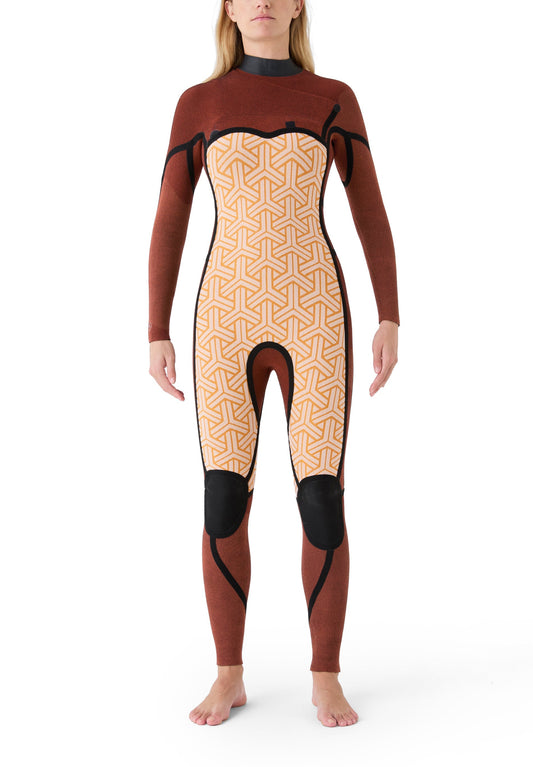
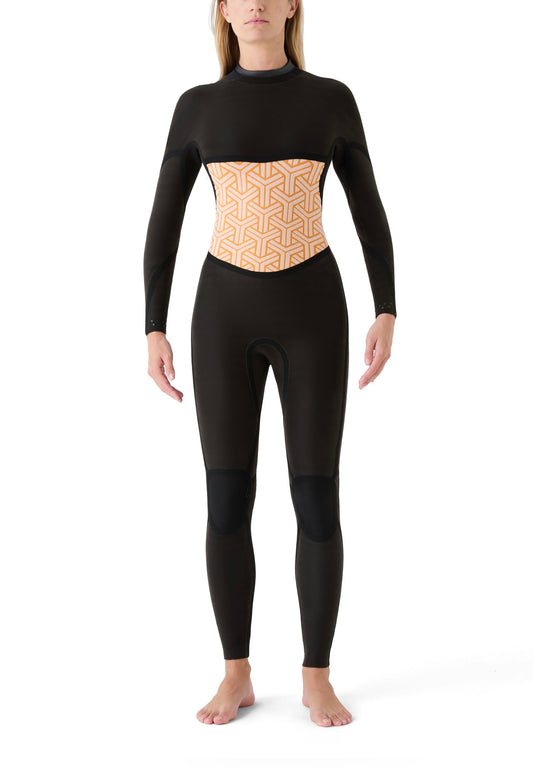
Deeply women's wetsuits have a differentiated cut: higher waist, shorter back, and narrower shoulders than men's models. This is not just aesthetic; a wetsuit with the correct cut allows less water in, provides more warmth, and allows more freedom of movement. Women's models are available in colors and designs specific to the women's line, with the same Mineralprene and graphene materials as the men's line.

Deeply women's wetsuit size guide

  • XXS (2)→ 155-160cm / 40-48kg
  • XS (4)→ 160-165cm / 45-52kg
  • S (6)→ 163-168cm / 50-57kg
  • M (8)→ 166-170cm / 55-61kg
  • MT (8T)→ 169-172cm / 57-65kg
  • L (10)→ 168-173cm / 59-68kg
  • XL (12)→ 170-175cm / 64-73kg

Frequently asked questions about surf wetsuits

What wetsuit thickness do I need to surf in Spain?

It depends on the coast and the time of year. In the Cantabrian Sea and Galicia: 4/3mm in spring-autumn and 5/4mm in winter. In the Mediterranean: 3/2mm in spring-autumn is sufficient for most of the year. In the Canary Islands: 3/2mm or even 2mm in summer. If you have doubts about the water temperature in your area, write to us on WhatsApp and we will guide you.

What is the difference between a chest zip and back zip wetsuit?

The back zip has the zipper on the back, making it easier to put on and take off, with slightly more water entry. The chest zip has the zipper on the chest, offering better insulation, less water entry, ideal for cold waters. For beginners or general use, back zip. For winter or more demanding surfers, chest zip.

What is Deeply's Mineralprene neoprene?

Mineralprene is Deeply's own material, made from limestone instead of conventional petrochemical neoprene. It is more flexible, more durable, and has a lower environmental impact. Some models also incorporate graphene in the inner fabric to improve heat retention and accelerate drying.

How do I know what wetsuit size I need?

Measure your height, chest circumference, and waist circumference, and compare it with the size chart of the model you are interested in. A well-sized wetsuit should fit snugly without being tight; if you struggle to breathe, it's too tight; if it has water pockets on the back or chest, it's too big. If you are between two sizes, choose the larger for more comfort in paddling.

Frequently asked questions

¿Cómo elijo el grosor de neopreno según la temperatura del agua?

Agua por encima de 20°C: 2mm o sin neopreno. Entre 15-20°C: 3/2mm. Entre 10-15°C: 4/3mm. Por debajo de 10°C: 5/4mm con capucha, escarpines y guantes. En España, un 3/2mm cubre la mayor parte del año en la costa mediterránea y un 4/3mm para el Cantábrico.

¿Cuál es la guía de tallas de neopreno para hombre?

XXS: 162-166 cm, 54-61 kg. XS: 165-170 cm, 57-64 kg. S: 170-175 cm, 61-70 kg. MS: 172-178 cm, 64-73 kg. M: 175-180 cm, 68-77 kg. MT: 178-183 cm, 73-82 kg. L: 181-186 cm, 77-86 kg. LT: 184-189 cm, 78-84 kg. XL: 185-191 cm, 86-95 kg. XXL: 189-194 cm, 95-104 kg.

¿Cuál es la guía de tallas de neopreno para mujer?

XXS (talla 2): 155-160 cm, 40-48 kg. XS (talla 4): 160-165 cm, 45-52 kg. S (talla 6): 163-168 cm, 50-57 kg. M (talla 8): 166-170 cm, 55-61 kg. MT (talla 8T): 169-172 cm, 57-65 kg. L (talla 10): 168-173 cm, 59-68 kg. XL (talla 12): 170-175 cm, 64-73 kg.

¿Cuánto dura un neopreno de surf?

Con un cuidado básico — enjuague con agua dulce después de cada sesión, secado a la sombra y almacenaje colgado — un neopreno de calidad dura entre 3 y 5 años de uso regular.

¿Cómo lavar un neopreno de surf correctamente?

Enjuaga siempre con agua fría dulce nada más salir del agua. No uses jabones agresivos, agua caliente ni secadora. Sécalo del revés a la sombra y guárdalo colgado, nunca doblado.